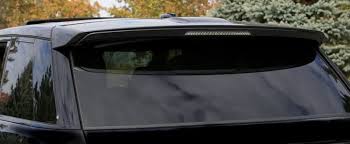
How Weather Affects Your Windshield: What Drivers Should Know
Your vehicle’s windshield is more than just a pane of glass—it’s a critical safety feature designed to protect you from the elements, provide structural support, and ensure clear visibility. But like any part of your car, your windshield is vulnerable to the weather. From blazing summer sun to icy winter mornings, weather can have a surprising impact on the condition and performance of your auto glass. Understanding these effects can help you protect your windshield and avoid costly repairs or replacements.
Here’s what every driver should know about how weather affects your windshield:
1. Extreme Heat Can Cause Expansion and Cracks
Hot weather might seem harmless, but high temperatures can put your windshield at risk. When your car sits in direct sunlight, the glass heats up rapidly. If there’s even a small chip or crack present, the heat can cause the damage to spread quickly due to glass expansion.
Sudden changes in temperature—such as blasting the air conditioner on full power right after getting into a hot car—can exacerbate the issue. The rapid cooling creates thermal stress, which may cause the glass to crack further or even shatter in extreme cases.
Tip: Park in the shade or use a sunshade to minimize interior temperatures. Avoid turning the AC on full blast immediately after getting into a hot vehicle.
2. Cold Weather Can Worsen Existing Damage
Heat causes the glass to expand, and cold weather causes it to contract. If your windshield has even a tiny chip, freezing temperatures can turn that minor imperfection into a large crack overnight. Ice buildup can also be a problem—scraping ice with too much force or using hot water to defrost the glass can result in damage.
Tip: Use a soft-bristled snow brush and proper de-icer spray. Never pour hot water on a frozen windshield.
3. Rain and Humidity Can Compromise the Seal
Windshields are held in place with weather-resistant seals and adhesives. However, prolonged exposure to moisture from heavy rain or high humidity can sometimes cause these seals to weaken over time, leading to leaks. A leaking windshield not only causes visibility issues but can also lead to water damage inside your vehicle.
Tip: If you notice water pooling on your dashboard or a musty smell inside the car, have your windshield seal inspected right away.
4. Hailstorms Are a Serious Threat
Hail is one of the most destructive weather events for windshields. Even small hailstones can chip or crack the glass, and larger stones can cause severe damage or total windshield failure. Hail damage often requires complete replacement rather than repair.
Tip: Check weather forecasts before driving during storm season and seek covered parking when hail is expected.
Final Thoughts
Weather is one of the most common causes of windshield damage, but much of it is preventable with the proper precautions. By staying aware of how heat, cold, rain, and hail affect your windshield, you can protect your vehicle and avoid unnecessary repair bills.
When in doubt, always address small chips or cracks before they become bigger problems—especially when a change in weather is on the horizon. A little proactive care goes a long way toward keeping your windshield clear, safe, and intact throughout the year.
Get an affordable windshield replacement quote by clicking here!



0 Comments
Kellytup
Your comment is awaiting moderation.
Betting with 1xBet, https://jorgecoutinho.com/how-to-register-on-1xbet-a-complete-guide/ offers various choices for sports enthusiasts. You can try your luck on your favorite teams and competitions. With favorable rates, it’s an exciting platform for everyone.